
Sustainable Comfort
Ductless Mini-Split Installation
Why Choose A Ductless Heat Pump?
There are many reasons why you should install a ductless mini-split heat pump.
Year-round comfort
In winter, a mini-split pulls heat from the outdoor air and moves it inside; in summer, the cycle reverses and carries heat back out, so one system covers both jobs instead of a furnace plus a window unit. This keeps your rooms cozy in all seasons throughout the year
You don't need ducts
Refrigerant lines run from the outdoor unit straight to the indoor units, so there's no central duct network to build, which works well for homes with radiators or baseboard heat, additions, converted basements, or any room ducts were never built to reach. It's an established route in Seattle, not a niche one.
Energy efficient
Mini-splits are efficient because they move existing heat instead of generating it through electric resistance, they don't lose conditioned air through ducts running across a cold attic, and most use variable-speed compressors that adjust output to match demand. Certified units can use up less energy than standard electric baseboard heat.
Room by room control
Each indoor unit sits in the room it serves and has its own control, so a mini-split can create separate zones instead of running the whole house off one thermostat, solving familiar problems like an upstairs that runs warmer than downstairs or a home office used all day while the rest of the house sits empty.
Is A Ductless Heat Pump Right For Your Home?
Ductless is the stronger option in plenty of Seattle homes, but not all of them.
Signs it's a good fit:
You don't have ductwork
No ductwork at all is the clearest case for ductless. So is ductwork that doesn't reach the space you're trying to fix, or ducts that would cost more to upgrade than they're worth.
If your home does have forced-air ducts in decent condition, a ducted heat pump can often reuse them, which changes the math. Existing ducts shouldn't just be assumed suitable, though. Condition, leakage, and airflow all need checking, and some systems need larger runs or extra returns before they'll work properly with a heat pump.
You only want to change the rooms you use
Ductless can do either, from a single room up to the whole home. Its real strength is conditioning selected areas independently: an addition, an upstairs living space, a finished basement, a persistent hot or cold room, or just the parts of the house you spend time in.
A larger home where every bedroom, hallway, and living area needs conditioning may eventually need enough indoor units that a central ducted system becomes the tidier answer, particularly if the ducts already exist.
You have an open floor plan
One indoor unit can comfortably serve a large open living, dining, and kitchen space. A floor divided into four closed bedrooms is a different problem, since each room carries its own load and closed doors block transfer between them.
This is the main reason not to treat ductless as automatically the simpler route. Highly partitioned homes with several small rooms are sometimes better suited to ducted or mixed distribution instead.
You don't mind indoor units
Ductless equipment is more visible inside the room than a supply register. For most homeowners, that's a fair trade for avoiding ductwork and gaining independent control. For someone protecting a carefully finished interior, it can be the deciding factor.
There are lower-profile options. Ceiling cassettes sit into the ceiling and leave mainly the grille showing, though installation conditions and cost differ.
When ducted makes more sense:
• The home already has ductwork that can be reused or sensibly upgraded
• Heating and cooling is needed throughout most or all of the property
• The floorplan holds many small or closed rooms that would each need a head
• You'd rather the equipment stayed out of sight behind vents
Central whole-home comfort matters more to you than independent zone control
If that sounds closer to your situation, our ducted heat pumps page covers that route instead.
Ductless Mini-Split Options
There is no one-size-fits-all mini-split arrangement, but there are options for you to pick what suits you.
It comes down to two questions:
• How many areas need heating and cooling?
• Where can the indoor units sensibly go?
The installation partner can assess the property and talk through which arrangement fits.
One outdoor unit, one indoor unit
A single-zone system pairs one outdoor unit with one indoor unit. It's the straightforward setup for a defined space: a home office, an addition, a converted attic or basement, or the one room in the house that's consistently hotter or colder than the rest. If other separate areas need conditioning later, that takes either an additional system or a multi-zone arrangement.
One outdoor unit, several indoor units
A multi-zone, or multi-split, system runs several indoor units off a single outdoor unit, each serving its own room or zone with its own control. It's the sensible route when you want ductless heating and cooling across several areas without an outdoor unit per room.
The number and placement of indoor units shouldn't follow room count. Heating and cooling loads, layout, and how air moves between spaces all shape the design, which is why split system installers work from an assessment rather than a floorplan sketch. A large multi-zone system also isn't automatically the better answer than a ducted heat pump for whole-home comfort.
Choosing the indoor units
• Wall-mounted: the familiar head installed high on a wall. Works in most rooms; needs suitable wall space.
• Floor-mounted: sits lower on the wall. Useful where high wall space is limited, or the ceiling layout is unusual.
• Ceiling cassettes: set into the ceiling with mainly the grille visible, distributing air from above. The least conspicuous of the three.
Some mini-split equipment can also use concealed air handlers serving nearby rooms through short duct runs. That's a legitimate configuration, but it isn't fully ductless, which matters for certain rebates.
How Ductless Heat Pumps Work
Understanding how mini-split heat pumps work is actually quite easy.
A ductless mini-split is an air source heat pump. It uses electricity to move heat between your home and the outside air rather than producing all of that heat directly, which is why it can deliver more warmth than the energy it consumes.
In heating mode, refrigerant passing through the outdoor coil absorbs heat from the outside air, even when that air feels cold. The compressor raises the refrigerant's pressure and temperature so the heat becomes usable indoors, then the refrigerant travels through the connecting lines to the indoor unit. Room air passes across the indoor coil, picks up that heat, and the fan sends it back into the space. The refrigerant returns outside and the loop repeats.
Cooling uses the same equipment in reverse. A reversing valve flips the direction of the cycle, so the indoor coil absorbs heat from the room and the outdoor unit releases it outside. Because warm, humid air passing over a cold coil leaves some of its moisture behind, cooling also removes humidity, which drains away through the condensate line.
Most modern mini-splits run inverter-controlled variable-speed compressors. When a room needs a little heating or cooling, the compressor throttles down; when demand rises, it steps back up. That's why a mini-split often runs for long stretches at low output rather than switching fully on and fully off, and it's the reason behind both the efficiency and the steadier room temperature.
Ductless Heat Pump Installation Process
Here's a general walkthrough of what to expect when our selected installer sets up your mini-split heat pump.
1. Mounting the indoor and outdoor units
The indoor unit goes onto a mounting plate on the interior wall, or into the ceiling for a cassette. The outdoor unit is secured on an appropriate support, whether a ground pad, stand, or wall bracket, with clearances following the manufacturer's instructions. A single-zone job has one of each; a multi-zone job has several indoor units on one outdoor unit.
2. Running the connections
A small opening through the exterior wall carries the insulated refrigerant tubing, the electrical and control wiring, and the condensate drainage between the two units. On a multi-zone system, separate line runs connect each indoor unit back to the outdoor equipment.
3. Electrical and drainage
The installer completes the power and control connections and makes sure the equipment communicates correctly. The condensate system is finished at the same time, either draining by gravity or through a condensate pump where gravity isn't practical. This part matters more than it sounds, since poor drainage shows up later as leaks around the indoor unit.
4. Sealing and refrigerant preparation
Wall penetrations get weather-sealed and refrigerant piping insulated and protected. Before startup, the refrigerant circuit is nitrogen pressure tested for leaks, evacuated to remove air and moisture, and checked to confirm it holds. Refrigerant charge is then verified against the equipment and line length, since too much or too little reduces performance and shortens equipment life.
5. Commissioning and handover
The system is started and tested in every operating mode: heating, cooling, indoor airflow, controls, condensate drainage, refrigerant operation, and each individual zone on a multi-zone setup. You're then walked through the controls, the operating modes, and the day-to-day settings.
Ducted Heat Pump Savings
Installing a ducted heat pump may open up the possibility of saving on energy bills. Take a closer look.
The clearest case is replacing electric resistance heat: baseboards, wall heaters, or an electric furnace. Seattle City Light estimates heat pumps can lower heating costs by around 25% to 50% compared with standard electric heating systems, which is the broadest and safest figure for a Seattle home.
PSE's regional Energy Cost Guide models a specific ductless example, based on an average 2,000 square foot home with 2.6 occupants and covering heating only. It puts electric baseboard heating at 11,923 kWh and about $2,467 a year, a standard electric furnace at 15,897 kWh and about $3,289, and a high-efficiency ductless heat pump at 3,884 kWh and about $804. On those modeled numbers, the ductless system runs roughly $1,663 a year below baseboards and about $2,485 below the electric furnace.
Those are modeled figures on PSE rates, not a forecast for your house. Your result depends on the home, the equipment, thermostat habits, weather, electricity rates, installation quality, and how much of the property the system actually serves. Modern heat pumps can reach up to 75% less heating electricity than electric resistance systems as a technical ceiling, which puts PSE's model well within a plausible range rather than being an outlier.
These are heating-cost comparisons against electric resistance heat specifically, and they don't include cooling, so a home switching on air conditioning for the first time will see that as new electricity use rather than a straight saving. A gas replacement is a different comparison entirely because of fuel pricing, while an oil replacement can see even larger reductions, with modeled estimates putting the drop above 70%.
Important to note
The above is not a comparison with gas-based heating. If your home currently runs on natural gas, the comparison above doesn't apply the same way. Gas and heat pump running costs can be close, depending on your utility rates and equipment efficiency. The above comparison is also not a comparison with alternative cooling solutions; it is strictly with common electrical heating. All of the above is based on industry-provided estimates.
Heat Pump Rebates and Support
Several rebate routes may apply to a Seattle heat pump project, and it's worth a few minutes to check before ruling any of them out. Eligibility depends on where you live, what you're replacing, and current program rules.
Seattle City Light offers instant contractor-side discounts on qualifying air-source heat pumps, typically $300 to $600 depending on system size and efficiency.
Washington State's HEAR program funds rebates for eligible households and small businesses through state-approved administrators, which may cover ducted, ductless, and ground-source equipment.
PSE offers rebates starting at $1,500 for eligible customers replacing electric resistance heating with a qualifying heat pump, with higher amounts available for income-qualified households or those switching from natural gas.
Seattle Clean Heat offers a $2,000 rebate for homes switching from oil heat to a qualifying system, with an additional $4,000 for moderate-income households on installations completed by September 30, 2026.

None of these are guaranteed for every homeowner.
Funding, income limits, equipment requirements, and contractor participation all affect eligibility, and rules can change. The installer can point you toward what applies, though your utility or the program administrator confirms actual eligibility.
Why Heat Pumps Seattle?
There are many reasons why we'll be a good fit for you.
Ductless questions are Seattle questions
Baseboards in a 1920s bungalow, an addition the ducts never reached, an upstairs that bakes in August, a rental that needs cooling before next summer. These come up constantly in this city because of how its housing stock was built and how its summers have changed, and we understand that.
Enough technical depth to ask good questions
Single-zone or multi-zone, how many indoor units, what floorplan does to the design, why a fully ductless system matters for a PSE rebate. We explain the decision in plain terms so your first conversation with the installer starts somewhere useful. Confirming the right system for your home is the installer's job.
A single route to one installer
We aren't a directory or a comparison site. Heat Pumps Seattle works with one exclusive independent third-party heat pump installation partner, so you're not sorting through contractors or interpreting competing bids. You submit your details or call, and the installer takes it from there.
Nothing hidden behind jargon
Where the numbers are modeled rather than promised, we say so. Where a rebate has conditions, we name them. Where the answer depends on your property, we point you to the person who can actually assess it.
Other Services
We offer more than just ductless mini-split installations.
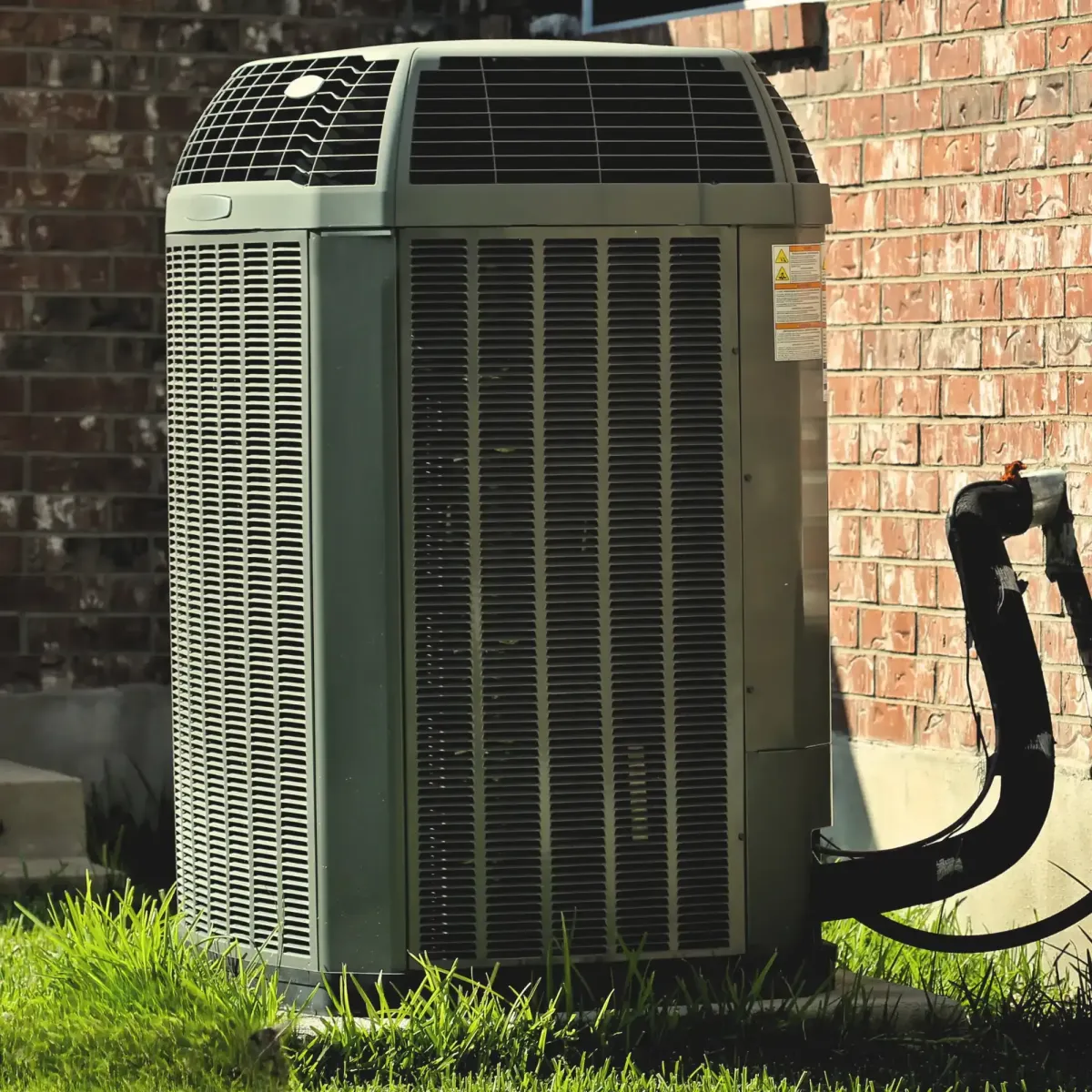
Ducted heat pump installation
Ducted heat pumps distribute heating and cooling through central ductwork instead of indoor units, which suits homes with usable ducts and a whole-home comfort goal. See how ducted systems work
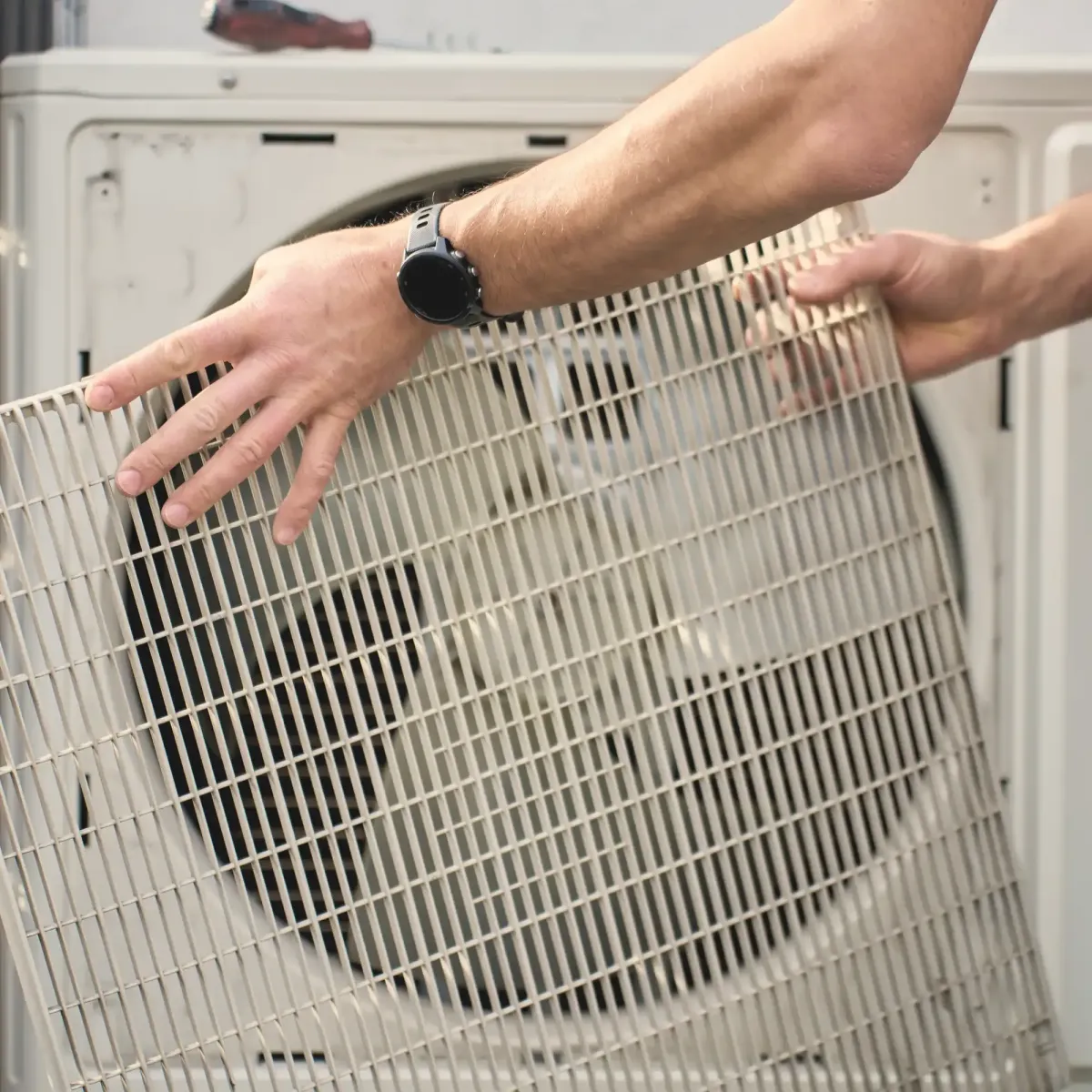
Repairs, maintenance & replacement
Repairs and maintenance covers an existing system that isn't performing the way it should, along with routine servicing for mini-split and ducted systems alike. Explore repair and maintenance services
Seattle-Wide Coverage
No matter where in Seattle, we can connect you with our selected team for your heat pump journey.
Heat Pumps Seattle covers the whole city. Ductless comes up especially often in the older housing stock of Wallingford and Ballard, where Craftsman homes, bungalows, additions, and finished upper floors were rarely built around a central duct system, and in the denser mixed-use pockets of Fremont and Central Seattle, where compact homes, townhomes, and condos favor targeted zones over whole-home distribution.
The same pattern holds across Greenwood, Green Lake, and North Seattle, covering Northgate, Lake City, Maple Leaf, and Wedgwood, where a mix of older single-family homes and newer infill means the right answer varies street by street.
On the hills and waterfront, Queen Anne, Magnolia, and West Seattle bring multi-level comfort differences and outdoor unit placement into play, while Downtown Seattle and South Seattle add building rules, shared walls, and rental properties to the picture. Browse all service areas
Ductless Heat Pump FAQs
Here are some frequently asked questions about ductless mini-splits.
Can a mini-split heat and cool an entire house?
Yes. Ductless systems handle both whole-home and single-room applications. Whether it's the right approach depends on layout and load: a relatively open home may need only a few indoor units, while a larger or more compartmentalized property could need several. In homes with usable existing ductwork, a ducted heat pump may still be the simpler answer.
Do mini-splits work through Seattle winters, and will I need backup heat?
A properly selected modern mini-split can heat through Seattle winters, though performance does decline as outdoor temperatures fall, so equipment choice and sizing matter. Cold-climate models are tested down to 5°F and can keep running below that. Backup heat isn't always necessary; some homes run a correctly sized mini-split as their primary heating. Whether yours needs backup depends on the heating load, the equipment's low-temperature capacity, insulation, and how many zones you're running. Existing baseboards are sometimes kept as supplementary heat, but that's a project-specific call.
How much does mini-split installation cost in Seattle?
There's no dependable single figure. Cost moves with the number of indoor units, equipment capacity and efficiency, unit style, electrical work, line-set routing, outdoor mounting, access, and drainage. Nationally, installed costs commonly span $2,500 to $15,000 or more. Prices vary widely depending on the work required and the equipment used. The installer assesses the property before quoting.
What maintenance do they need, and how long do they last?
Each indoor unit has its own filters, coil, blower, and condensate system, so there's slightly more to keep on top of than a single central unit. Cleaning the reusable filters is the main homeowner task, typically every couple of weeks or whenever they look dirty. Professional maintenance covers the indoor coil and blower, drainage, outdoor equipment, refrigerant system, controls, and electrical components. A well-maintained mini-split commonly lasts 10 to 15 years, sometimes longer.
Should I leave my mini-split running when using it?
Broadly, yes, in the sense that they work best held at a steady temperature rather than switched on and off or set back sharply. Variable-speed systems throttle down once the room reaches the target, so the best approach is picking a comfortable temperature and leaving it there, and using the heating or cooling mode directly rather than relying on automatic changeover. That doesn't mean every unit runs constantly. A rarely used zone can reasonably be operated differently.
How many indoor units will I need, and does every room need one?
Not necessarily one per room, and there's no reliable rule based on square footage or bedroom count. A well-placed unit can serve a large open area on its own. Closed rooms are the complication, since conditioned air doesn't move well even through an open doorway and shouldn't be expected to work through a closed one. Loads, floor plan, insulation, number of floors, and how much independent control you want all feed into it, which is why proper load calculations matter more than rules of thumb.
Can a mini-split replace electric baseboards, wall heaters, or a furnace?
Yes, depending on the property and the system design. Replacing electric resistance heating is the clearest mini-split application, with baseboards, wall heaters, and electric furnaces the clearest candidates. Replacing a central furnace is a bigger change, since it alters how heat gets distributed, so layout, existing ducts, and where indoor units can go all need working through first.
How long does installation take?
Often quickly, since there's no duct network to build. Ductless installations can sometimes be finished in as little as a day, depending on how many indoor and outdoor units are involved. A larger multi-zone system, awkward line routing, extra electrical work, ceiling-mounted units, or difficult access will extend that, so the installer confirms the schedule after assessing the job.
Are mini-splits noisy?
They're designed for quiet operation, helped by the compressor sitting outside rather than in the room. They aren't silent, though. The indoor fan is audible at higher speeds; the outdoor unit makes its own noise, and poor mounting can transmit vibration into the wall. Actual levels depend on the model, load, fan speed, mounting, and placement, so any decibel figure should come from the specific equipment being proposed.
What does Heat Pumps Seattle do, and what does the installer handle?
We, Heat Pumps Seattle, provide general information and may connect you with our exclusive independent third-party heat pump installation partner. We don't install heat pumps, provide quotes, assess homes, obtain permits, administer rebates, or manage your project. The installer handles all of that: the assessment, the quote, the system recommendation, scheduling, installation, permits, inspections, rebate discussions, warranties, and project communication.
COMPANY
LOCATIONS
COMING SOON
CONTACT
COMING SOON

© Copyright 2026. Heat Pumps Seattle. All Rights Reserved.