
Sustainable Comfort
Air Source Heat Pump Installation
Why Choose A Ducted Heat Pump?
There are many benefits to installing a ducted heat pump.
One system for every season
In winter, a ducted heat pump pulls heat from outdoor air and moves it inside. In summer, it reverses and pushes heat back out. Instead of running a furnace through winter and a separate air conditioner through summer, one system does both through the same vents you already have. If your home has central ductwork, that's the same system that can now keep you comfortable in July as well as January.
Same ductwork, new tech
If your home already runs on forced-air ductwork, you likely don't need to build a new distribution system from scratch. This is a natural fit for an aging furnace, a central AC on its way out, a forced-air home with no cooling at all, or a move away from oil heat. Existing ducts still need checking, though.
No units on the wall
Ducted systems use the vents and registers you already have, instead of adding wall-mounted units in each room. If you want whole-home comfort without visible equipment inside your living space, that's the main reason to choose ducted over ductless. It's a layout preference more than a performance one. Ductless is still the better call for rooms or additions without usable ducts.
Shrink those bills
A heat pump moves heat instead of generating it, which is why it uses less electricity than baseboards or an electric furnace for the same amount of heat. Switching from oil, propane, or gas can also save money, but the size of that saving depends on your home and your current system. We break the numbers down properly in the costs and savings section.
Breathe easy
Because air passes through a central forced-air system, a ducted heat pump can be part of a whole-home filtration setup, useful during wildfire smoke season when keeping the house closed up matters. How much that actually helps depends on the filter and fan the system can accommodate, which is a question for the installer, not a given just because the home has ducts.
Get off oil, gas, or propane
An all-electric ducted heat pump means your home's main heating equipment no longer burns fuel on site. That matters most for the roughly 6,000 Seattle households still on oil heat, since it also means no more fuel deliveries and no aging underground tank to worry about. Some installations keep the furnace as backup in a dual-fuel setup instead, which is worth asking about directly if going fully electric is the goal.
Is A Ducted Heat Pump Right For Your Home?
A ducted heat pump can be an excellent whole-home option, but it depends on what your home already has.
Signs it's a good fit:
• You already have a furnace or central HVAC system with usable ductwork
• You want the whole home heated and cooled through one system, not room by room
• Your ducts can support the airflow a heat pump needs, or can be reasonably improved
• Your home has a workable spot for the outdoor unit and enough electrical capacity, or can get there without major work
None of this needs to be perfect going in. It's what the installer checks during the home assessment, covered in the ductwork section below.
When ductless makes more sense:
• There's no existing ductwork
• Adding ducts would mean tearing into finished walls or ceilings
• Only one or two rooms need better comfort
• You want zone-by-zone control more than one central system
If that sounds like your home, our ductless mini-split heat pumps page covers that option instead.
Ductwork And Airflow
It is important to understand ducts.
Ductwork has to do more than exist. It needs to move enough air to match the new equipment, which is why the installer checks it before your heat pump system installation is finalized, not after.
Can your existing ducts be reused?
Often, yes, but they need checking first. Central air source heat pumps can generally reuse existing forced-air ductwork, though heat pumps often need more airflow than the furnace they're replacing. The installer, like most air source heat pump contractors, checks duct sizing, leaks, insulation, return-air capacity, and how evenly air reaches each room, along with any comfort problems you've already noticed, like a bedroom that never quite warms up or a vent that barely puts out air. Depending on what they find, your ducts might be fine as they are, usable after some work, or worth replacing.
What if your ducts need work
Finding a problem doesn't mean starting over. Moderate fixes, sealing leaks, resizing a grille, improving a return, can often solve real comfort issues without a full duct replacement. More substantial work only makes sense where the ducts are too damaged or undersized to carry what the new system needs. Either way, it's worth understanding what any recommended work adds to the project before you commit to it.
No ductwork at all?
It's possible to add central ductwork, especially during a renovation that's already opening up the walls, but running new ducts in a finished home is real construction work. In that case, it's worth comparing the cost against a ductless mini-splitsystem instead.
Ducted Heat Pump Installation Process
Here's a general walkthrough of what you can expect when installing a ducted heat pump.
1. Home review and sizing
The installer reviews your current system, ductwork, electrical capacity, and where new equipment could go, then calculates the right size using a Manual J load calculation rather than a square-footage guess.
2. System and duct planning
This is where the project gets specific: outdoor unit placement, indoor equipment location, refrigerant line routing, and whether your existing ducts can support the new equipment or need modification.
3. Quote and permits
Once the plan is set, you get a project scope and quote covering equipment, labor, and any duct or electrical work. Seattle heat pump projects commonly involve mechanical and refrigeration permits, and sometimes electrical permits, which the installer handles.
4. Installation
The physical work: removing or preparing old equipment, connecting the indoor unit to your ducts, placing the outdoor unit, running refrigerant lines, and wiring the electrical and drainage connections. Any agreed duct work usually happens here too.
5. Commissioning and testing
Before the installer leaves, refrigerant charge gets verified, airflow gets checked against the equipment's requirements, and the system gets tested in both heating and cooling modes.
6. Handover and inspection
You get a walkthrough of the thermostat and filter care, plus documentation for your system. Seattle-permitted refrigeration work, including heat pumps, gets inspected by SDCI.
How Ducted Heat Pumps Work
Understanding this efficient technology is actually quite straightforward.
A furnace makes heat by burning fuel. A heat pump moves heat instead, using refrigerant and a compressor, which usually takes less energy than generating heat from scratch. Even outdoor air that feels cold still holds usable heat, and the outdoor coil absorbs it before the compressor raises its pressure and temperature enough to be useful indoors.
From there, the indoor coil transfers that heat into your home's air, and the blower pushes it through your supply ducts to the vents in each room. Return ducts bring room air back to the indoor unit so it can be conditioned again, which is why blocked returns or a dirty filter can hurt comfort even when the heat pump itself is working fine.
In summer, a reversing valve flips the cycle: heat gets pulled from indoor air and sent back outside, the same way a standard air conditioner works. You might notice the outdoor unit occasionally run a defrost cycle in cold, damp weather. That's normal operation, not a fault.
Ground source, or geothermal, systems work a little differently. Instead of exchanging heat with outdoor air, they exchange it with the relatively stable temperature underground, using buried loops. Indoors, the process looks much the same, but the site work is different enough that a ground source heat pump installer needs to assess buried loops or boreholes, not just ductwork.
Ducted Heat Pump Savings
Installing a ducted heat pump may open up the possibility of saving on energy bills. Take a closer look.
The clearest case is replacing electric resistance heat directly. Seattle City Light estimates heat pumps can cut heating costs by 25% to 50% compared with standard electric heating. PSE's regional estimates for an average-sized home put electric baseboard heating at $1,864 a year and a standard electric furnace at $2,486, against $1,047 for an efficient cold-climate heat pump or $1,312 with electric strip backup, roughly $800 to $1,400 less a year depending on what you're replacing.
Gas is a closer call. PSE puts standard gas furnace heating at $1,032 a year against $1,004 for a dual-fuel heat pump and furnace setup, so switching from gas doesn't guarantee lower heating costs on its own. Oil is the stronger story: Seattle's own modeled comparison found heating cost reductions of more than 70% switching from oil to a heat pump, though that figure comes from specific electricity, oil price, and efficiency assumptions that won't match every home exactly.
These are heating-only figures, and adding cooling you didn't have before will raise summer electricity use, which isn't a downside so much as a new expense for a new service. A real payback period needs your actual quote and current energy use, so treat the numbers above as planning figures, not a promise about your bill. Ground source ducted systems cost considerably more, often $15,000 to $40,000 or higher, due to the loop or borehole work involved.
Important to note
The above is not a comparison with gas-based heating. If your home currently runs on natural gas, the comparison above doesn't apply the same way. Gas and heat pump running costs can be close, depending on your utility rates and equipment efficiency. The above comparison is also not a comparison with alternative cooling solutions; it is strictly with common electrical heating. All of the above is based on industry-provided estimates.
Heat Pump Rebates and Support
Several rebate routes may apply to a Seattle heat pump project, and it's worth a few minutes to check before ruling any of them out. Eligibility depends on where you live, what you're replacing, and current program rules.
Seattle City Light offers instant contractor-side discounts on qualifying air-source heat pumps, typically $300 to $600 depending on system size and efficiency.
Washington State's HEAR program funds rebates for eligible households and small businesses through state-approved administrators, which may cover ducted, ductless, and ground-source equipment.
PSE offers rebates starting at $1,500 for eligible customers replacing electric resistance heating with a qualifying heat pump, with higher amounts available for income-qualified households or those switching from natural gas.
Seattle Clean Heat offers a $2,000 rebate for homes switching from oil heat to a qualifying system, with an additional $4,000 for moderate-income households on installations completed by September 30, 2026.

None of these are guaranteed for every homeowner.
Funding, income limits, equipment requirements, and contractor participation all affect eligibility, and rules can change. The installer can point you toward what applies, though your utility or the program administrator confirms actual eligibility.
Why Heat Pumps Seattle?
There are many reasons why we'll be a good fit for you.
We understand Seattle homes
Old gas furnaces, oil heat, electric resistance heating, homes with usable ducts and homes without: Seattle's housing stock is genuinely mixed, and the right answer depends on what's actually in front of us, not a generic answer written for any city.
Heat pump know-how
We can walk you through what actually affects performance, sizing, duct condition, electrical capacity, outdoor unit placement, before you ever talk to the installer. Our job is helping you understand the decision. The installer's job is confirming the right system for your home.
One partner, start to finish
We work with one exclusive installation partner, not a rotating list of contractors. You submit your details or call, and the installer takes it from there: assessment, quote, installation, permits, inspections, rebates, warranties, start to finish.
Straight answers first
Ducted versus ductless, replacement versus new install, what rebates might apply: we lay it out in plain language before you ever pick up the phone, so your first call with the installer builds on what you already know.
Other Services
We offer more than just air-source heat pump installations.
Mini-split installation
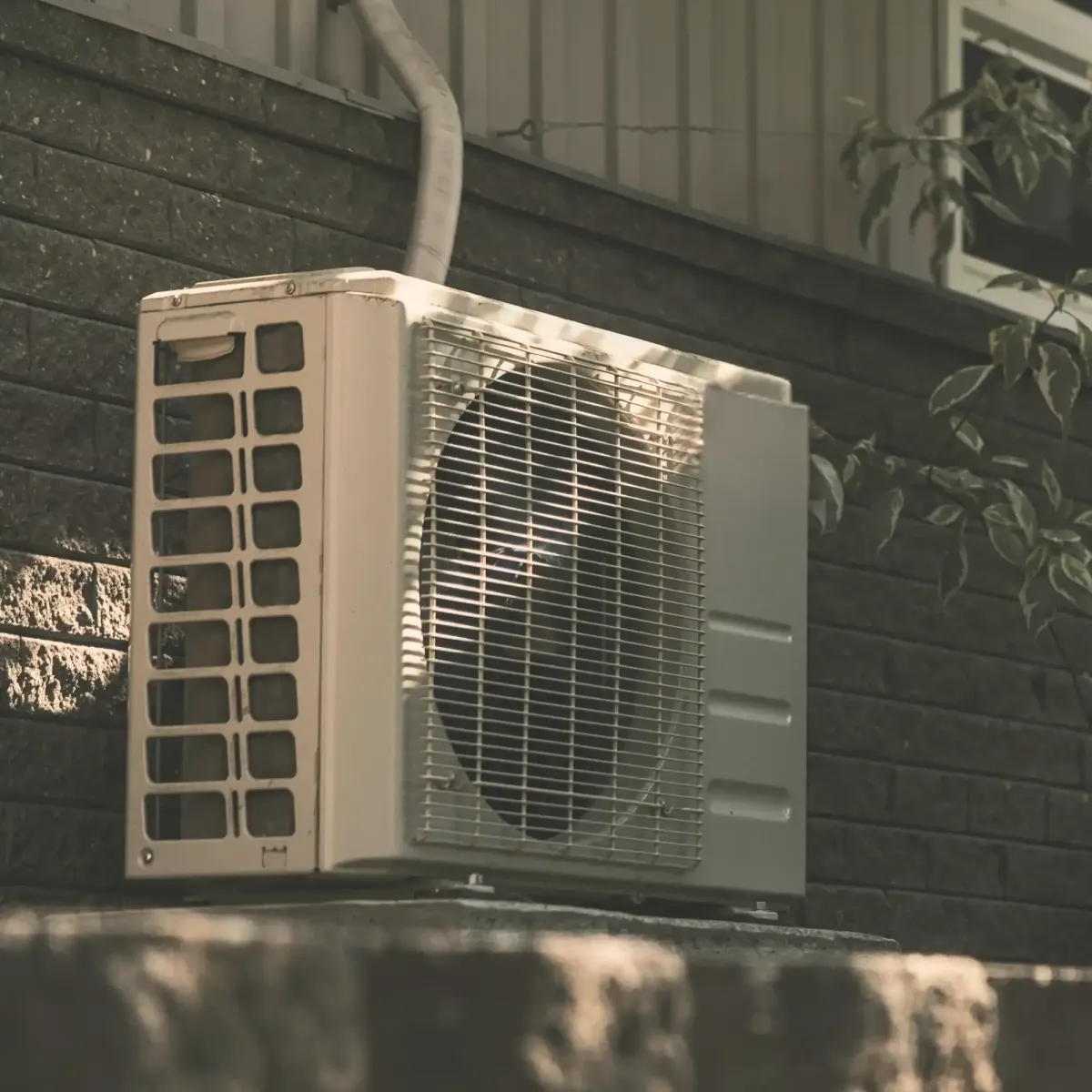
Ductless mini-splits skip the ductwork entirely, using one outdoor unit connected to indoor units in specific rooms. It's the better route for additions, basements, or any room central ducts don't reach. See how ductless mini-splits work
Repairs, maintenance & replacement
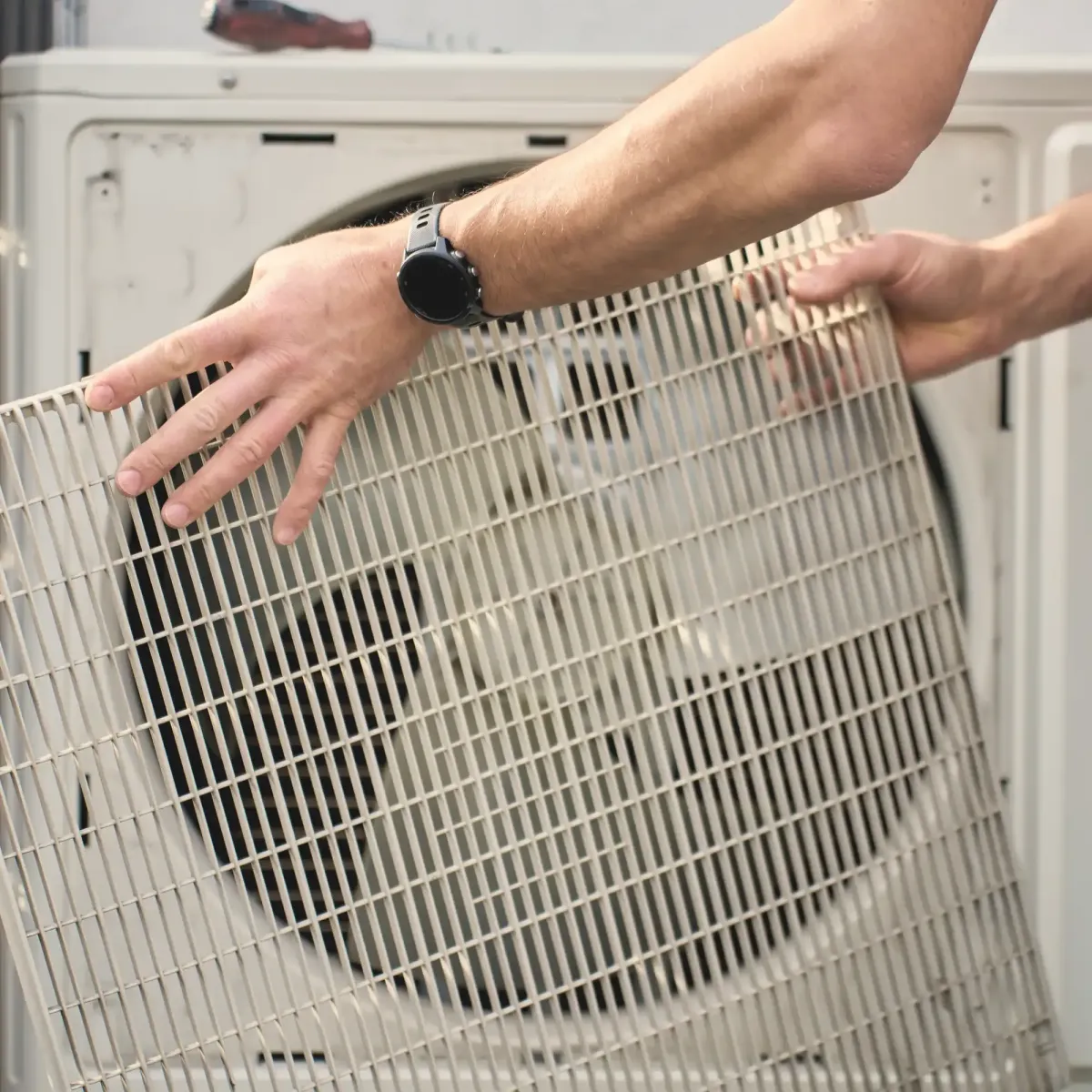
Repairs and maintenance covers an existing heat pump that's not performing the way it used to: weak airflow, strange noise, short cycling, or reduced heating and cooling. Explore repair and maintenance services
We Serve Seattle
No matter where in Seattle, we can connect you with our selected team for your heat pump journey.
Heat Pumps Seattle connects homeowners across the city with our installation partner, from older housing stock in Wallingford and Ballard to denser, mixed-use pockets in Fremont and Central Seattle. Ducted systems tend to suit the detached, forced-air homes common in these areas, while townhomes and apartments often lean ductless instead.
We also connect homeowners in Greenwood, Green Lake, and across North Seattle, including Northgate, Lake City, and Maple Leaf, where the same mix of older single-family homes and newer infill applies.
On the hills and waterfront side, Queen Anne and Magnolia often call for extra care around outdoor unit placement. Downtown, coverage extends to condos and mixed-use buildings across Downtown Seattle, where building rules matter more than the equipment itself, and further out to West Seattle and South Seattle.
Ducted Heat Pump FAQs
We answer commonly asked questions about ducted heat pumps and other considerations.
Are ducted heat pumps air source or ground source?
Either. Ducted describes how heating and cooling get distributed, not where the heat comes from. Air source heat pumps exchange heat with outdoor air; ground source systems exchange it with the ground through buried loops. This page mainly covers air source, the more common type, though a ground source system can use the same kind of ductwork inside your home.
Can I use my existing ductwork with a heat pump?
Usually, but it needs checking rather than assuming it'll just work. Heat pumps can need more airflow than the furnace they're replacing, so the installer checks duct sizing, insulation, and condition before finalizing the design. If the ducts are in good shape, reusing them is one of the bigger advantages of going ducted.
Do ducted heat pumps work well in Seattle winters?
Yes, for most properly designed installations. Cold-climate criteria include verified performance down to 5°F, and Seattle's winters are milder than many regions where these systems already perform well. The real answer depends on your specific equipment, sizing, and installation quality.
Do ducted heat pumps provide air conditioning too?
Yes. The same process that heats your home in winter reverses to cool it in summer, using the same ducts and vents. That's often the biggest upgrade for a homeowner replacing a furnace in a house that never had central air.
Why does heat pump air feel cooler than furnace air?
That's normal. A furnace pushes out hotter bursts of air, while a heat pump delivers steadier, lower-temperature airflow over a longer period while still holding your set temperature. Judge the system by whether it reaches and holds that temperature, not by how the air feels.
How noisy is a ducted heat pump?
Not silent, but not necessarily disruptive. Sound can come from the outdoor unit, the indoor blower, and air moving through the ducts, and variable-speed systems tend to run quieter when they're not at full capacity. If noise matters to you, ask the installer about sound ratings and outdoor placement directly.
Can a ducted heat pump replace my furnace?
Often, yes, once the installer confirms your ductwork and electrical capacity can support it. Some homeowners go fully electric; others keep the furnace as backup in a dual-fuel setup. Either way, the main upgrade beyond heating is that the new system can add air conditioning too.
How is the heat pump right size calculated?
By your home's actual heating and cooling load, using a Manual J calculation rather than square footage. An undersized system struggles to keep up; an oversized one cycles too often. For ducted systems, duct capacity needs to match whatever size gets chosen.
Does a ducted heat pump need backup heat?
Not necessarily. It depends on how much heat your home needs at low outdoor temperatures versus what the heat pump can deliver, which the installer works out as part of sizing. If backup is needed, that's usually electric resistance heat or a dual-fuel furnace setup.
Can different rooms or floors have separate zones?
Yes, but it takes real design work, not just closing a few vents. Zoning uses dampers and controls to direct airflow to different parts of the home, and the system needs to maintain proper airflow whether one zone is open or several are. It's a question for the installer based on your specific setup.
Is it normal for a ducted heat pump to run for long periods?
Often, yes. Many systems use variable-capacity compressors that adjust output to match demand, which means longer, steadier runtimes instead of the on-off cycling of a furnace. What matters is whether your home holds the temperature you've set.
What maintenance does a ducted heat pump need?
Mostly keeping the filter clean and the outdoor unit clear of leaves and debris. Professional maintenance covers checking controls, drainage, coils, and blower operation, usually as a pre-season checkup.
COMPANY
LOCATIONS
COMING SOON
CONTACT
COMING SOON

© Copyright 2026. Heat Pumps Seattle. All Rights Reserved.