Home and insulation
Size, heat loss, and duct condition change how hard the system works.

Sustainable Comfort
Our heat pump installation service covers three main needs: a whole-home installation, a single room that's never been comfortable, or a system that's already acting up. Any assessment, quote, or work involved is carried out by our installation partner.
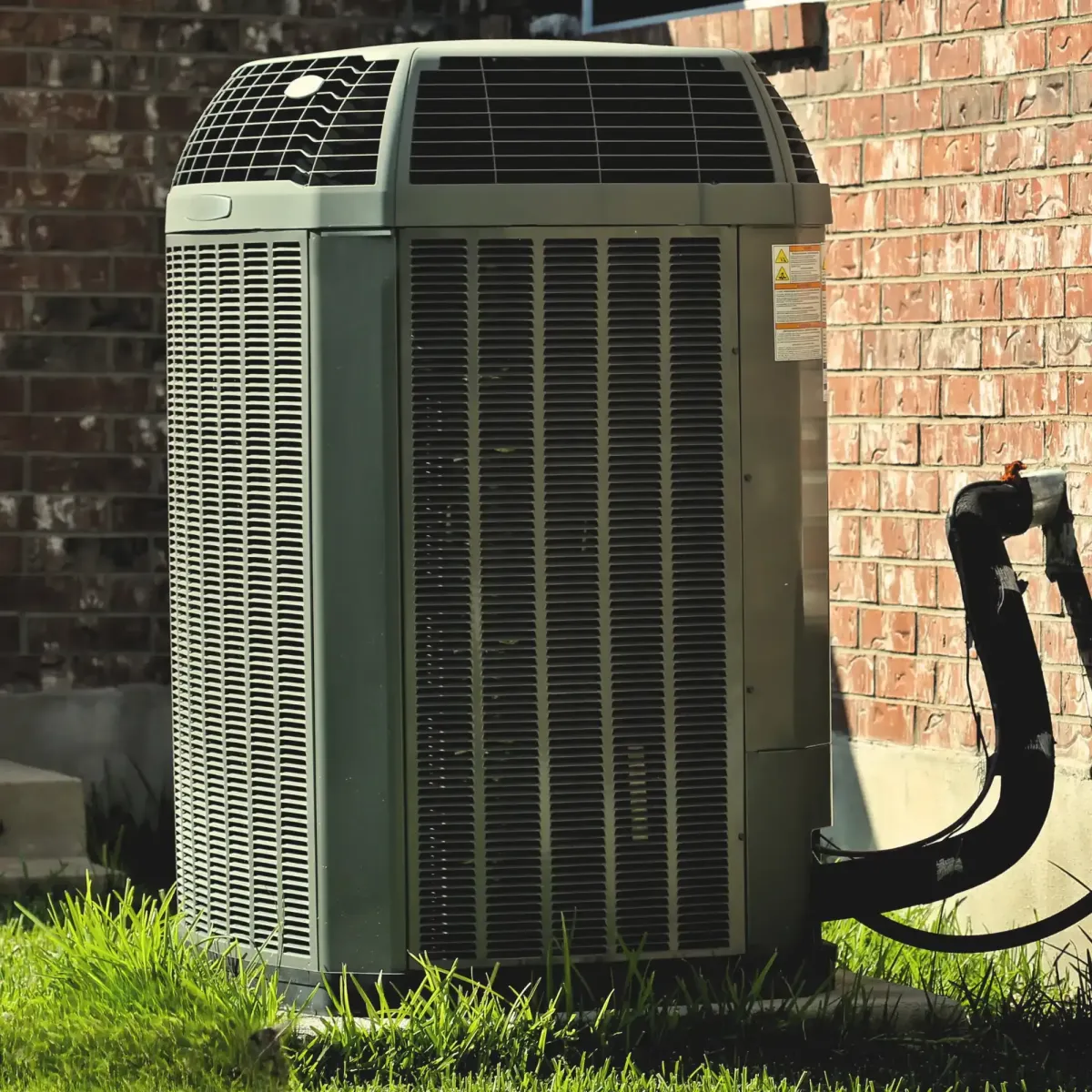
Heat pump installation
Covers whole-home heating and cooling, especially if you're replacing an aging furnace, oil system, or electric setup. It's the right starting point if you want one system doing both jobs.
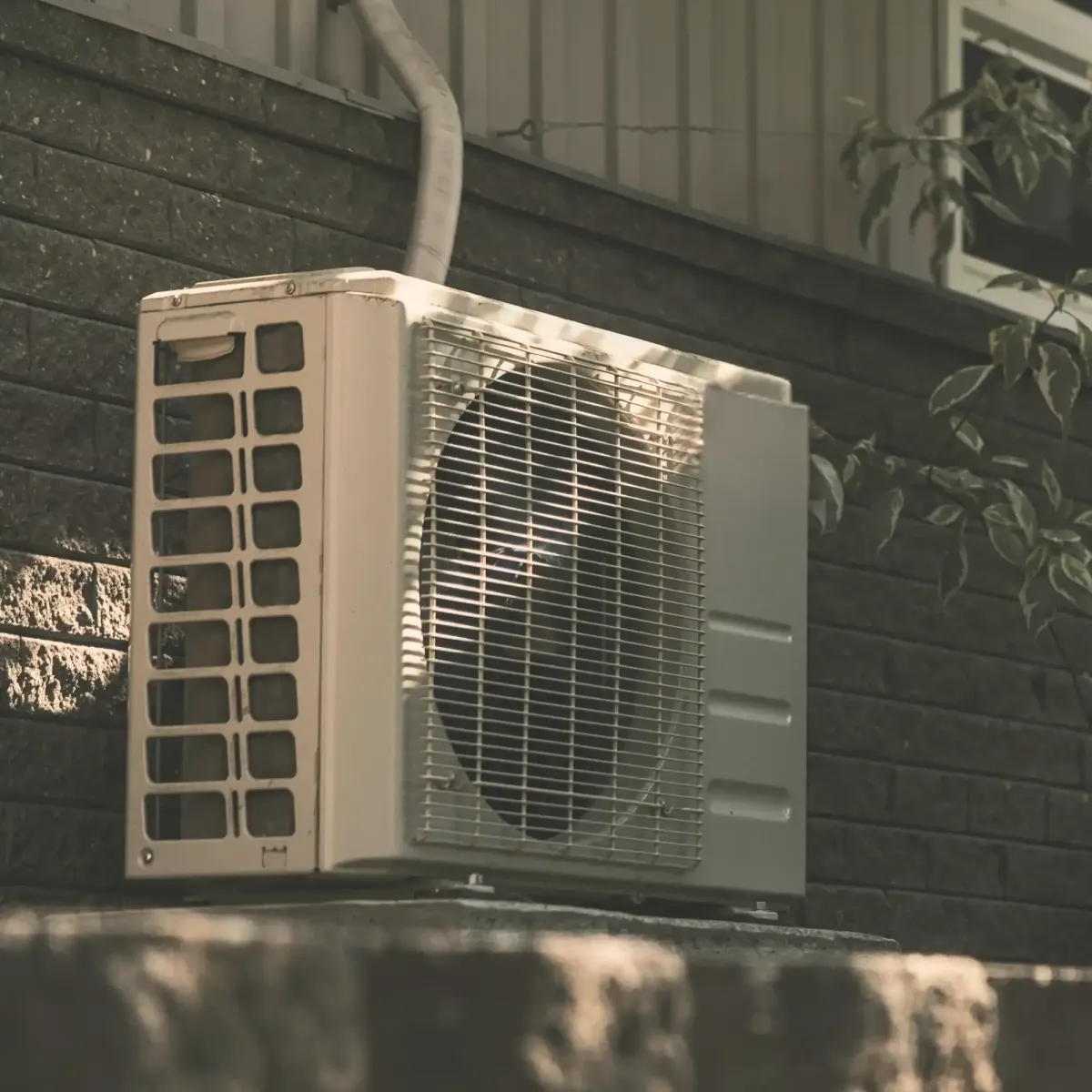
Mini-split installation
The ductless route: one outdoor unit connected to one or more indoor units, with no central ductwork required. It's built for additions, upper floors, basements, and any room that's never been comfortable.
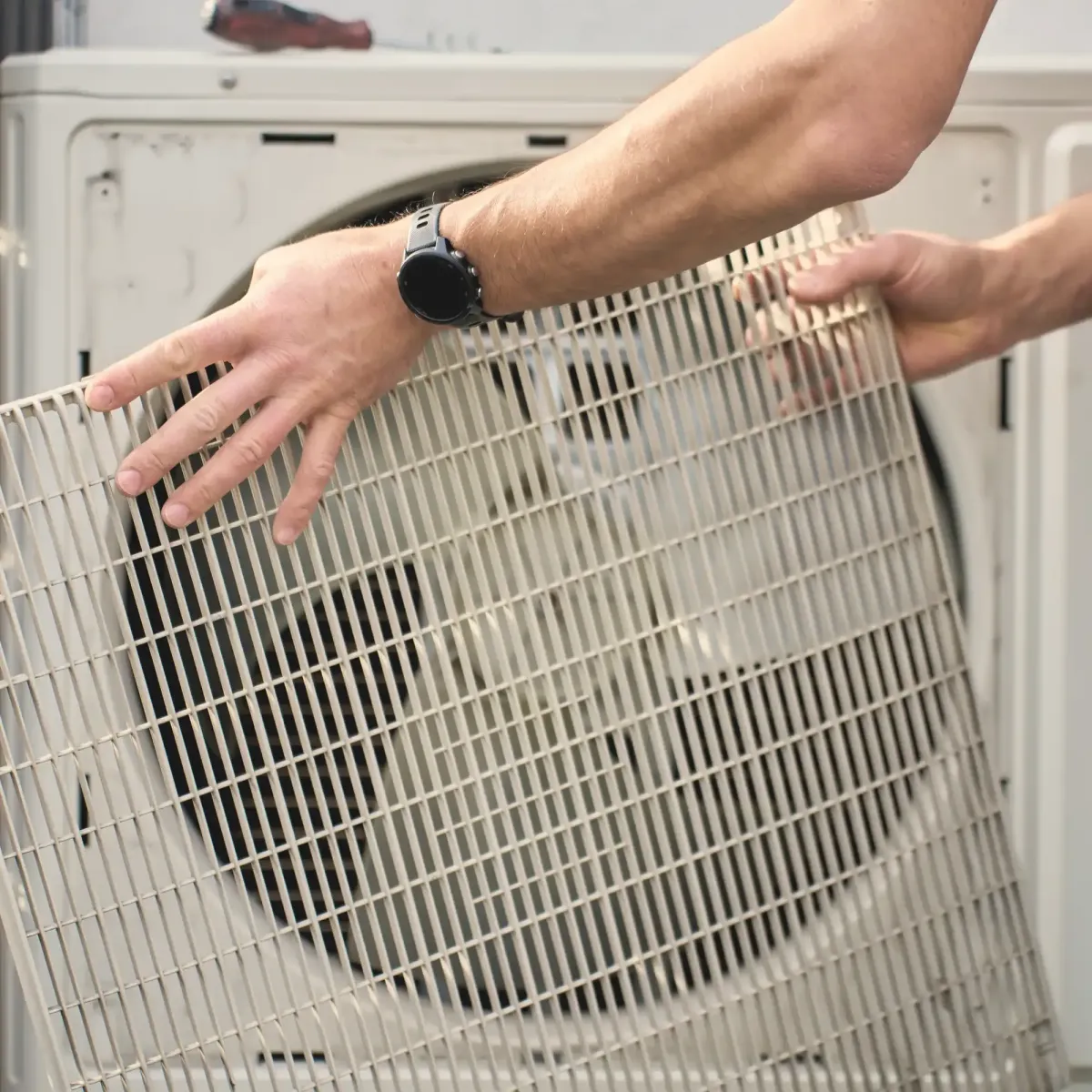
Repairs, maintencance & replacement
Covers homeowners who already have a heat pump or an aging HVAC system that needs attention, whether that's a strange noise, weak airflow, or a system that's simply worn out.
Whichever service fits, the same installer handles the work from the first visit to the final test.
Heat pumps offer many benefits for a variety of needs.

Built for all seasons
A heat pump can heat your home in winter and cool it in summer, all from one system. That can replace the window units and fans many Seattle homes rely on each summer, without needing a separate air conditioner.

Out with the old heating
If your current heating is already failing or expensive to run, a heat pump is a genuine upgrade, not just a replacement. Instead of swapping in another furnace, oil system, or baseboard setup, you get heating and cooling from the same system.

Save on bills
Heat pumps typically cost less to run than baseboards, an electric furnace, or oil heat. They move heat instead of generating it, so for most electric-heat homes, the savings show up directly on your utility bill.

Help the environment
Switching away from oil, gas, or propane cuts down on combustion-related risk in your home. For oil especially, that also means no more fuel deliveries and no aging tank that could leak into your soil or basement.

Rebate assistance
Several rebate programs can help offset the upfront cost of a heat pump. Seattle City Light, Washington State's HEAR program, and PSE all offer routes worth checking, since eligibility and amounts depend on your specific situation.

Comfort in every room
A ductless mini-split can heat and cool one uncomfortable room without touching the rest of your house. That covers upstairs bedrooms, converted basements, home offices, or any space that's never quite worked, without a whole-home renovation.
Installing a heat pump may open up the possibility of saving on energy bills. Take a closer look.
PSE's examples suggest about $550 to $950 less per year in heating costs.
Possible annual difference
$550–$950
compared with electric baseboard heating
Estimated annual heating cost
Size, heat loss, and duct condition change how hard the system works.
Utility prices, thermostat settings, and weather affect the final bill.
System choice, sizing, backup heat, and installation quality all matter.
These are heating-only estimates for an average 2,000-square-foot home. They do not include cooling, water heating, appliances, cooking, or EV charging. Actual savings depend on the home, current system, insulation, utility rates, usage, weather, and installation quality.
Important to note
The above is not a comparison with gas-based heating. If your home currently runs on natural gas, the comparison above doesn't apply the same way. Gas and heat pump running costs can be close, depending on your utility rates and equipment efficiency. The above comparison is also not a comparison with alternative cooling solutions; it is strictly with common electrical heating. All of the above is based on industry-provided estimates.
Understanding this efficient technology is actually quite straightforward.
In heating, refrigerant picks up heat outside and drops it off inside.
Cold side
Refrigerant absorbs heat from the outside air, even when it feels cold.
Drives the cycle
Raises the refrigerant's pressure, which raises its temperature.
Set to heating
Sends the hot refrigerant toward the indoor coil.
Hot side
Gives off that heat as air passes across it into your rooms.
One loop, four main parts. Switching modes changes the direction of the refrigerant, not the equipment.
Gas and oil furnaces burn fuel to make heat. A heat pump primarily moves heat from one place to another instead, using refrigerant and a compressor, which usually takes less energy than generating heat from scratch.
That raises the obvious question: how do you pull heat out of air that already feels cold? The answer is that even cold outdoor air still holds usable heat energy. Refrigerant in the outdoor unit is designed to absorb that heat, even when the air outside feels genuinely cold, then carry it indoors.
In winter, the outdoor unit collects that heat and the refrigerant carries it inside. In summer, the process reverses: the indoor coil pulls heat out of your home and sends it back outside, which is why the same system works as an air conditioner. A reversing valve is what lets the system switch between the two.
The compressor drives the whole cycle by raising the refrigerant's pressure and temperature, and fans move air across the coils so heat can transfer properly. That's also why airflow matters so much: dirty filters, blocked vents, or poor duct condition can drag down performance no matter how good the equipment is.
Not every heat pump is the same, and the right type depends on your home more than your preference.
A ducted heat pump pulls heat from outdoor air in winter and pushes heat back outside in summer, then distributes it through your home's existing ductwork and vents. It's the most familiar option for anyone replacing a central furnace, since the indoor experience looks close to what you already have.
Pros
Cons
A mini-split skips the ductwork entirely. One outdoor unit connects to one or more wall-mounted indoor units through refrigerant lines, giving you heating and cooling in specific rooms or zones. It's the standard choice for additions, basements, and homes that were never built with ducts.
Pros
Cons
Also called geothermal, ground-source systems exchange heat with the ground or groundwater instead of outdoor air, using the fact that a few feet down, temperatures stay far more stable than the air above. They can still distribute air through ductwork like a standard ducted system.
Pros
Cons
For many standard Seattle projects, the choice comes down to ducted versus ductless. Our selected team provide both services.
Here's a general walkthrough of what you can expect when installing a heat pump.
The installer starts by getting to know your home: current system, insulation, ductwork if you have it, electrical capacity, and where new equipment could realistically go. Sizing gets calculated properly here too, typically using a Manual J load calculation rather than a square-footage guess, since an undersized or oversized system causes real comfort problems down the line.
This is where the project gets specific: outdoor unit placement, indoor unit or coil location, refrigerant line routing, and, for ducted systems, whether the existing ductwork can support the new equipment. If you're replacing old equipment, this is also where the installer plans what happens to it.
Once the plan is set, the installer should provide a project scope and quote covering equipment, labor, and any supporting work, so you know what's being proposed before anything moves forward. Seattle heat pump projects may involve mechanical, electrical, or refrigeration permits depending on the scope. The installer will walk you through what applies to your project and who's responsible for filing it.
This is the physical work: placing the outdoor unit, running refrigerant lines, connecting electrical wiring, setting up controls and drainage, and integrating with ductwork if the system is ducted. Refrigerant lines typically get pressure-tested and the charge verified as part of the process, not skipped.
Before the installer leaves, they'll test the system end to end: heating mode, cooling mode, drainage, controls. Seattle-permitted refrigeration installations, including heat pumps and mini-splits, get inspected by SDCI. You should also get a walkthrough of the thermostat, filter care, and what to expect from regular maintenance.
Several rebate routes may apply to a Seattle heat pump project, and it's worth a few minutes to check before ruling any of them out. Eligibility depends on where you live, what you're replacing, and current program rules.
Seattle City Light offers instant contractor-side discounts on qualifying air-source heat pumps, typically $300 to $600 depending on system size and efficiency.
Washington State's HEAR program funds rebates for eligible households and small businesses through state-approved administrators, which may cover ducted, ductless, and ground-source equipment.
PSE offers rebates starting at $1,500 for eligible customers replacing electric resistance heating with a qualifying heat pump, with higher amounts available for income-qualified households or those switching from natural gas.
Seattle Clean Heat offers a $2,000 rebate for homes switching from oil heat to a qualifying system, with an additional $4,000 for moderate-income households on installations completed by September 30, 2026.

None of these are guaranteed for every homeowner.
Funding, income limits, equipment requirements, and contractor participation all affect eligibility, and rules can change. The installer can point you toward what applies, though your utility or the program administrator confirms actual eligibility.
There are many reasons why we'll be a good fit for you.
We know Seattle homes
We know the range of homes and heating systems Seattle actually has, from old gas furnaces to oil heat to homes with no ductwork at all. That means you get guidance based on what your home actually has, not a generic answer written for any city.
Heat pump expertise
We understand the practical side of heat pumps, from ducted versus ductless to what actually affects performance. That means you come away with a real understanding of heat pumps, one that can inform your own plans.
One trusted partner
We work with one exclusive, trusted installation partner, not a rotating group of contractors. That gives you a single point of contact for your entire project, from the first assessment through to the final test.
Clarity from the go
We lay out ducted versus ductless, replacement versus new install, and what rebates might apply, all in plain language upfront. That means your first call with the installer builds on what you already know, instead of starting from scratch.
No matter where in Seattle, we can connect you with our selected team for your heat pump journey.
Heat Pumps Seattle connects homeowners across the city with our installation partner, from older housing stock in Wallingford and Ballard to denser, mixed-use pockets in Fremont and Central Seattle.
We also connect homeowners in Greenwood, Green Lake, and across North Seattle, including Northgate, Lake City, and Maple Leaf. The hills and waterfront side includes Queen Anne and Magnolia.
Downtown, our coverage extends to condos and mixed-use buildings across Downtown Seattle, and further out, to the residential streets of West Seattle and South Seattle, including Beacon Hill, Columbia City, and Rainier Valley.
We answer commonly asked questions about heat pumps, ourselves, and Seattle-specific considerations.
For many homes, yes. A heat pump handles heating and cooling from one system, which suits a city where winter heat still matters but summer cooling is increasingly worth having. Strong candidates include homes replacing electric resistance heating, oil heat, or older equipment that doesn't cool at all.
A detached home with usable ductwork may suit a ducted system, while a townhome, addition, or hard-to-condition room may do better with a ductless mini-split. Condos and denser buildings often come with their own placement rules worth checking first.
Yes. In cooling mode, a heat pump works the same way a standard air conditioner does, moving heat out of the home and releasing it outside. That's one of the more useful parts of switching: a homeowner replacing a furnace can often add cooling through the same system, which matters in Seattle homes that were built around heating and never got central AC.
For ducted systems, the cooled air comes through your existing vents. For ductless systems, it comes from the indoor units serving each room.
It comes down to your home's layout and your ductwork more than personal preference. A ducted system makes sense if you already have usable central ductwork and want heating and cooling through your existing vents, often the natural route when replacing a forced-air furnace.
A ductless mini-split fits homes without ducts, or where only certain rooms need better comfort: additions, basements, upstairs bedrooms, home offices. The installer can assess your home and recommend a suitable route.
Yes, and this is where a ductless mini-split earns its keep. A single-zone system can heat and cool one specific space, like an upstairs bedroom, a converted basement, or a home office, without touching the rest of the house.
A multi-zone system extends that to several rooms from one outdoor unit. This route suits homeowners who aren't looking for a whole-home overhaul, just a fix for the one room that's never been comfortable.
Cost depends on system type, home size, number of zones, ductwork condition, and any electrical work needed. Published Seattle-area estimates put:
Whole-home installations somewhere between $6,500 and $14,000, with $10,000 as a commonly cited midpoint.
Ductless mini-splits tend to run lower, roughly $3,000 to $10,000 depending on how many zones you need.
Ground-source systems cost considerably more, often $15,000 to $30,000 or higher, due to the site work involved.
The installer can give you a project-specific quote once they've reviewed your home. Heat Pumps Seattle doesn't provide quotes directly.
Yes, several routes exist, covering everything from utility-specific discounts to income-qualified state programs to a dedicated rebate for oil-heated homes. None of them are automatic, and what applies to you depends on your utility, your income, and the equipment you choose.
The rebates and incentives section above breaks down the specifics, but the short version is: it's worth checking rather than assuming nothing applies.
Modern air-source heat pumps work well in cold regions, and Seattle's winter climate is generally milder than many of those areas, which works in your favor here. Properly sized and installed, a heat pump keeps pulling usable heat from outdoor air even when it feels genuinely cold outside.
The details still matter: correct sizing, good airflow, solid ductwork where relevant, and proper commissioning. Some homes pair the heat pump with backup or auxiliary heat, depending on the system and what the homeowner needs it to cover.
Often, yes, though the right answer depends on your ductwork, electrical capacity, and heating load. Homes with usable forced-air ductwork may be good candidates for a ducted heat pump as a central replacement. Some homeowners go fully electric.
Others keep the furnace as backup in a dual-fuel setup, where controls determine when the heat pump runs and when the furnace takes over. It's rarely a simple swap. Ductwork, electrical work, controls, and old equipment removal usually factor into the project.
Sometimes, though it needs checking rather than assuming the ducts built for your old furnace will just work. A few signs are worth noticing before that conversation: rooms that never quite reach temperature, ductwork running through an unheated attic or crawlspace, or visible gaps and disconnected sections at the joints.
When the installer looks at your ducts, they're checking size, insulation, airflow, and leakage, since even ducts in good shape for a furnace aren't automatically sized right for a heat pump. If sealing or modifying the ductwork turns out to be part of the project, the installer should explain how that affects the scope and price.
Properly, it's not a square-footage guess. The industry standard is a Manual J load calculation, which factors in your home's size, layout, insulation, windows, air leakage, and local design temperatures to estimate actual heating and cooling need.
Getting this wrong causes real problems: an undersized system struggles to keep up, while an oversized one cycles too often and wastes energy without necessarily improving comfort. For ducted systems, sizing also affects airflow. For ductless systems, each zone needs its own sizing and placement.
Permit requirements come down to the scope of the work rather than a blanket yes or no. Mechanical permits can apply to HVAC equipment installation, refrigeration permits may apply to split systems and mini-splits, and electrical permits may apply if wiring is being installed or altered.
Seattle also inspects permitted residential refrigeration work, including heat pumps and mini-splits, through SDCI. Every project is a little different, so the installer is the right party to confirm exactly what applies and handle the filing.
We want to be upfront about where our role ends. We provide general information and may connect you with our exclusive independent third-party heat pump installation partner.
We don't install heat pumps, provide quotes, assess homes, obtain permits, administer rebates, or manage your project. The installer handles all of that: the home assessment, the quote, system recommendations, scheduling, the installation itself, permits, inspections, rebate discussions, warranties, and any communication about your project once it's underway.
COMPANY
LOCATIONS
COMING SOON
CONTACT
COMING SOON

© Copyright 2026. Heat Pumps Seattle. All Rights Reserved.